
What Is a Sexual Basement?

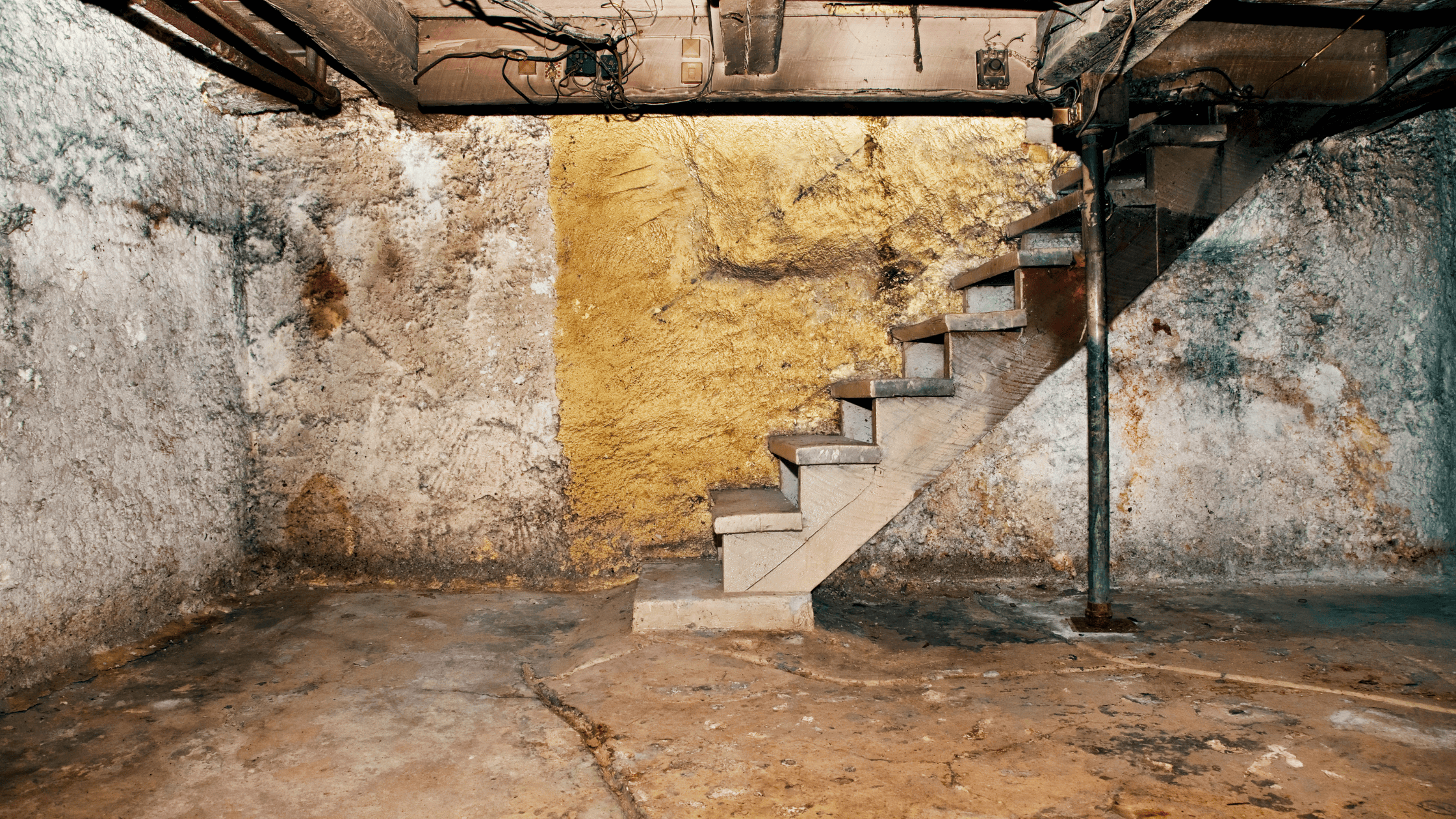
Sexuality is deeply personal. For many people, conversations about sex are shaped by shame, silence, or fear of being judged. When those feelings go unaddressed, they can create hidden spaces within you. This hidden space is often referred to as a “sexual basement.”
While the term may sound alarming, it’s not meant to label or condemn. Instead, it offers a way to describe what happens when sexuality becomes disconnected from honesty, intimacy, and emotional safety. Understanding what a sexual basement is, and why it develops, can be an important step toward healing, healthier relationships, and a more integrated sense of self.
What Does “Sexual Basement” Mean?
A sexual basement is a term used to describe the hidden, private part of your sexual world that you keep secret from others. If you have a sex addiction, the sexual basement is where you keep the secrecy, shame, and emotional disconnection surrounding that addiction.
The word basement is intentional. Just like a physical basement, this part of your inner life is tucked away, out of sight, and rarely visited openly. It’s a place where sexual experiences or patterns are compartmentalized because they feel unsafe, unacceptable, or incompatible with your values, identity, or relationships.
A sexual basement is not the same as healthy sexual privacy or fantasy. Privacy involves choice, honesty, and emotional integrity. A sexual basement, on the other hand, thrives on concealment and often leads to internal conflict.
Common Characteristics of a Sexual Basement
A sexual basement can show up in many different ways, but it often shares a set of common emotional and behavioral patterns. These traits don’t mean there is something “wrong” with you. They reflect what happens when parts of your sexual world are shaped by secrecy and shame rather than safety and connection.
Common characteristics of a sexual basement include:
- Secrecy and Compartmentalization. You carefully hide certain thoughts, fantasies, or behaviors and mentally separate them from the rest of your life. It can feel like you’re living in two different worlds.
- Shame and Self-Judgment. You may believe that these thoughts or behaviors make you unworthy, flawed, or unlovable. That shame often becomes the reason you keep this part of yourself hidden.
- Emotional Disconnection. Sex may serve as an escape, a distraction, or a way to manage difficult emotions rather than a source of closeness or intimacy.
- Fear of Being Fully Known. You may worry that if others truly knew this part of you, they would reject you, leave, or see you differently. This fear can make vulnerability feel unsafe.
- Escalation. What started as something small or occasional may now happen more often, feel more challenging to control, or require more secrecy to maintain.
- Internal Conflict and Exhaustion. Holding this hidden part of yourself can be draining. You might feel pulled between who you want to be and what you’re hiding, leading to guilt, anxiety, or inner conflict.
Why Sexual Basements Develop
Sexual basements don’t appear out of nowhere. They develop over time as a response to emotional, relational, and cultural experiences that make certain parts of your sexuality feel unsafe to share. For many people, a sexual basement is less about desire itself and more about how they learned to cope, survive, or protect themselves.
Common reasons sexual basements develop:
- Shame Around Sex. If you grew up in an environment where sex was taboo, criticized, or discussed only in terms of danger or morality, you may have learned early on that your curiosity or desires were something to hide.
- Trauma or Attachment Wounds. Past trauma makes intimacy feel risky. Sexual behaviors may become a way to seek comfort, control, or relief without vulnerability.
- Unmet Emotional Needs. Loneliness, stress, or a lack of emotional connection can push you toward private sexual outlets, which may result in sex addiction, that offer temporary relief or validation when deeper needs aren’t being addressed.
- Unhealthy Coping. If you didn’t learn how to manage stress, anxiety, or discomfort, sexual behaviors can become a quick way to self-soothe, escape, or numb difficult feelings.
- Lack of Alignment. When your sexual thoughts or actions don’t match the values you hold or the life you want to live, like when you have a sex addiction, secrecy can feel like the only way to avoid conflict or shame.
How a Sexual Basement Impacts Relationships
A sexual basement rarely stays contained to one person. Even when the behaviors themselves are hidden, the emotional effects often surface in your relationships. Secrecy creates distance, and over time, that distance can change how safe, connected, and understood a relationship feels.
Common ways a sexual basement can impact your relationships:
- Erosion of Trust. When parts of your inner world are hidden, trust can weaken, even if your partner doesn’t know why. If the basement is discovered, the sense of betrayal can be profound, leaving your partner questioning what was real and what was not.
- Emotional Intimacy Decreases. You may feel less emotionally available or present because you’re protecting a secret. This can make conversations feel surface-level and connection feel strained or incomplete.
- Withdrawal. Even without clear evidence, partners often notice changes in closeness, communication, or affection. This can lead to confusion, self-doubt, or conflict.
- Frequent Conflict. Unaddressed secrecy often shows up as defensiveness, irritability, or emotional shutdown during disagreements. Small issues may escalate because deeper issues remain unspoken.
- Shame. Carrying shame can make it hard to be vulnerable, affectionate, or open. You may pull away emotionally or struggle to engage fully in intimacy.
- Betrayal. If the sexual basement is revealed, your partner may experience betrayal trauma because of the intense emotional distress.
- Isolation. Even within the relationship, you may feel alone. Keeping part of yourself hidden can create a sense that you are not truly known or accepted.
Signs It May Be Time to Address a Sexual Basement
You don’t need to “hit rock bottom” to know something isn’t working. Often, your emotional and relational experiences offer clear signals that it may be time to look more closely at what’s been hidden.
It may be time to address a sexual basement if you:
- Feel out of control or disconnected
- Think your feelings of shame or secrecy are increasing
- Notice your relationship is strained or stuck in conflict
- Can’t follow through with quitting the behavior that’s causing you pain, even when you try
- Feel unseen or unknown in your close relationships
How Healing a Sexual Basement Begins
Healing starts with safety, understanding, and support. Change becomes possible when secrecy is replaced with honesty and curiosity.
To heal your sexual basement:
- Choose Honesty. Bring hidden behaviors into the light safely. This may involve carefully choosing when, how, and with whom to share. Safety and support matter more than immediate disclosure.
- Develop Emotional Awareness. Learn to recognize and tolerate emotions, rather than escaping them. This helps reduce the urge to retreat into secrecy.
- Be Accountable. Healing often includes clear boundaries, transparency, and consistent follow-through, which rebuild trust with yourself and others.
- Seek Professional Help. Professional support, like that from Begin Again Institute, provides guidance, tools, and containment, especially when trauma, addiction, or relational wounds are involved.
Can a Sexual Basement Be Repaired?
A sexual basement is not a life sentence. It’s a pattern, and patterns can change.
Repair takes support, time, and consistency. Trust rebuilds through repeated experiences of honesty and follow-through.
While the process can be challenging, many people discover that addressing a sexual basement leads to profound growth that results in integrity and alignment.
If you’re ready to heal and eliminate your sexual basement, contact Begin Again Institute today.
We help men heal from various intimacy disorders and re-establish true connection in their lives, both with themselves and others.
Test Intensive Date
We get right to work, so you can get back to life.
“Begin again helped me jumpstart my healing. It’s like
a years worth of therapy in one trip.”