
Healing from Infidelity Trauma: Can You Rebuild Your Relationship?

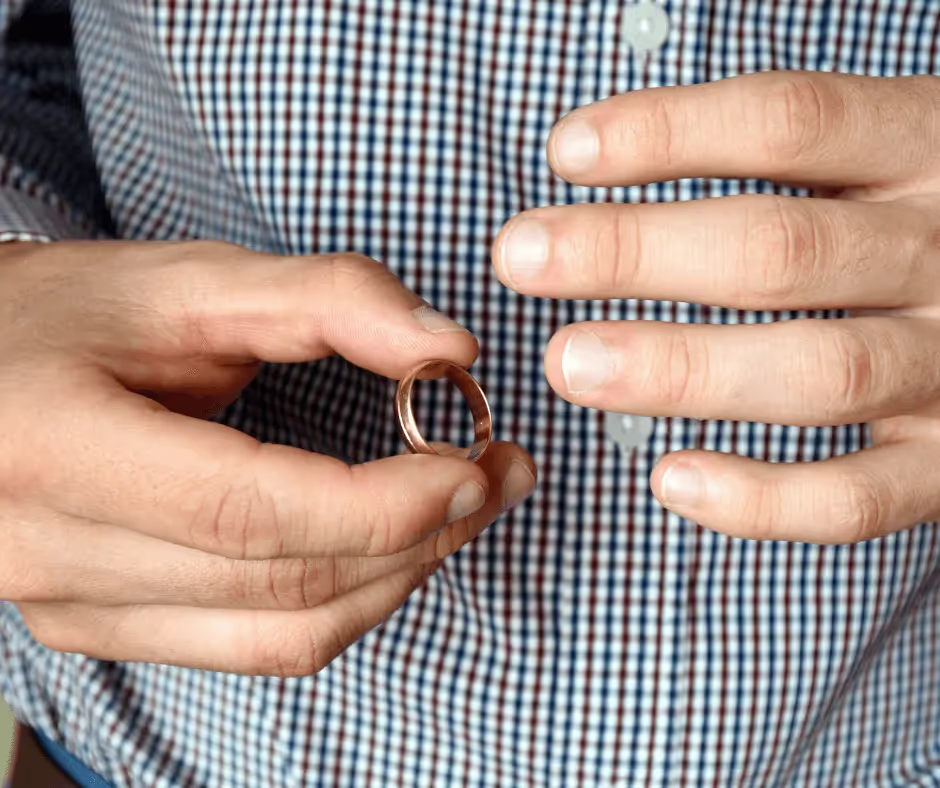
If your partner or spouse is addicted to sex or pornography, you may have experienced partner betrayal and infidelity trauma.
Processing the betrayal of trust and your partner’s infidelity may feel difficult, if not impossible. You can choose to stay with your partner and deal with the repercussions together. Alternatively, you can choose to walk away and decide to deal with your trauma alone.
The choice belongs to you. Just know that recovery and rebuilding trust is possible.
What is Infidelity Trauma?
Infidelity trauma is the long-lasting impact when one partner betrays another. The partner who discovers the betrayal experiences trauma and experiences trauma symptoms.
Having your trust shattered, feeling as if you’re partially to blame, and coping with the constant intrusive thoughts may feel like an endless cycle of grief and sadness. You’re not alone. It’s estimated that between 30-60% of people who have been cheated on experience anxiety, depression, and even Post-Traumatic Stress Disorder (PTSD).
“You put a great deal of trust in one person. When that trust is broken, it shatters your sense of self and what you thought you knew about that person and your life together,” said Matt Wenger, MA, LPC, and Clinical Director at Begin Again Institute.
Signs of Trauma After Infidelity
Infidelity trauma can develop into Post-Traumatic Stress Disorder, the most severe type of emotional trauma. PTSD may occur if the infidelity isn’t adequately addressed and you aren’t given the space and time to heal.
If you wonder if you are experiencing infidelity trauma, there are some specific symptoms you may be able to identify.
Intrusive Thoughts
Intrusive thoughts are one of the most common signs that you’re experiencing infidelity trauma.
Visions of your partner with another person or remembering their face when you confronted them the first time are examples of intrusive thoughts.
Almost anything can cause you to return to a moment of trauma mentally. These triggers can lead you to seek ways to avoid them entirely rather than dealing with the root of the intrusive thoughts.
Unstable Emotional Regulation
As a trauma response, you may find that you shut down emotionally. You may feel wholly detached, depressed, and become easily fatigued. You may lose interest in your previous hobbies and find little joy in activities that used to bring a smile to your face.
Alternatively, you could move from sadness to anger quickly. Rapidly shifting between yelling, crying, and emotional absence are all normal reactions while recovering from infidelity trauma.
Whatever your reaction is to infidelity, you’re fully entitled to those feelings.

Sex Addiction Trauma Among Partners and Spouses
Sex addiction-induced trauma usually causes a myriad of complex and extreme reactions. You may notice that this trauma manifests in emotional and physical ways.
Impact on Body and Medical Intervention
The body stores trauma and traumatic experiences. Meaning that, after you’ve experienced infidelity trauma, you may encounter physical repercussions as well.
Common physical symptoms of trauma include:
- Aches and pain, especially headaches and in the joints
- Muscle stiffness
- Difficulty sleeping
- Loss of appetite
- Panic attacks and difficulty breathing
You experience these symptoms because your brain connects with every aspect of your body. When you experience partner betrayal, your body responds by triggering your fight-or-flight instincts. Your brain senses immediate danger. Therefore, it prepares you for the battle as a means of self-preservation.
Treating PTSD
Post-Traumatic Stress Disorder is pervasive for those who live through infidelity trauma. PTSD can develop when acute trauma symptoms continue for four or more weeks after the traumatic event.
PTSD symptoms may manifest as:
- Difficulty falling or staying asleep
- Avoiding thoughts, people, places, or activities that trigger your traumatic memory, making you feel anxious or upset
- Feeling emotionally numb and detached from your life, your partner, or your loved one
- Your outlook for the future is negative, and you have difficulties making long-term plans
- Difficulty concentrating
- Being extremely irritable, including outbursts of anger or other extreme emotions
PTSD looks different for every person. Therefore, it is crucial to speak with a trauma-informed specialist to gain a deep insight into your trauma response.
Challenges in Rebuilding Your Relationship
Couples face many challenges when rebuilding a relationship after infidelity.
Challenges may include:
- Forgiveness. It can be difficult to forgive a partner who has betrayed you after they caused you hurt and pain. You may struggle to lower your defenses and trust them again.
- Flashbacks. You may experience triggers that remind you of the infidelity and bring up raw emotions. Be aware of these triggers and communicate how you feel to your partner when they occur.
- Fear of Unacceptance. It’s easy to believe you are no longer enough for your partner. Your partner is responsible for reassuring you of their love and proving that they are committed to the relationship.
- Judgment from Loved Ones. You may feel pressure from friends or family not experiencing the situation to leave the relationship. While they may offer good advice, you must assess the situation yourself and determine your next steps.
An apology is only the first step. Your partner will need to work to rebuild trust and prove their behavior has changed.
“You didn’t cause this to happen, so you aren’t responsible for fixing it,” Matt said. “Your job is to heal yourself, then determine if your relationship can also be healed.”

Factors Influencing the Possibility of Rebuilding
Only you can know if a relationship is worth maintaining. If you are unsure, there are some factors to consider.
Factors about rebuilding your relationship to consider:
- Safety. Have you ever felt unsafe around your partner? Have they ever been physically, verbally, or psychologically abusive to you? If they have a pattern of engaging in harmful behaviors, you should not continue in the relationship.
- Remorse. Does your partner feel regretful about their actions? Do they have empathy for the pain they caused? Are they willing to be truthful with you going forward? Have they sought professional help to understand their actions and their impact on others? If they have expressed remorse and a willingness to do the work to change, there is hope for rebuilding the relationship.
- Impact/Extent of the Infidelity. Every situation is different. It may be difficult to look past if your partner cheated multiple times or in a particularly traumatic way. If your partner has a sex or pornography addiction but is unwilling to admit it or seek help, that also is a problem. Consider the impact of their behavior on you. If it feels impossible to ever move on, you may need to leave the relationship.
- Patience. Rebuilding a relationship takes time. It doesn’t happen after one conversation. But patience doesn’t mean inaction. You must both be willing to work to restore trust over time through communication and actions.
- Commitment. Healing a relationship after infidelity can be an emotional rollercoaster and requires commitment from both parties. If your partner is unwilling to change or you can’t accept an apology, it’s unlikely the relationship will be able to heal. It takes full participation from both partners to work through betrayal.
7 Stages of Relational Repair Post-Discovery
When you find out about your partner’s infidelity, it’s common to go through stages of grief and adjustment. Although you may not experience all of the stages or have them in this order, it can help to identify and understand each stage.
The 7 stages of relational repair are:
- Initial Shock. Immediately after discovering your partner’s betrayal, you may go into fight, flight, or freeze mode as your mind grapples with the devastating discovery. You may experience explosive outbursts, withdrawal, or shutting down completely.
- Denial. You might refuse to accept the truth as a defense mechanism against experiencing pain. You can experience waves of disbelief and feel like you’re in a dreamlike state. Lingering in this time can prolong the suffering, so it’s important to confront the reality.
- Obsession. After accepting the betrayal, you may obsess over every detail of the relationship. You may constantly think about what happened or what you could have done differently.
- Grief and Outrage. You may feel intense emotions as you struggle to understand the reality of the situation. You may question the authenticity of your relationship, and what else may not be true.
- Bargaining. It can feel like if you just do one thing right, it will all go away. You can feel as if you’ve lost control of your life and can make excuses or strike deals to minimize the impact.
- Mourning. Because your relationship isn’t what you thought it was, it’s common to mourn for the relationship you lost. You may experience depression and start to isolate yourself. Seek professional help if you feel you can’t heal alone.
- Acceptance and Recovery. Acknowledging the reality of your situation and moving toward healing does not mean you’ve excused what happened. For your healing, you can evaluate your feelings, decide if you want to remain in the relationship and work toward a healthier future.
“The goal is not to get stuck in any one stage,” Matt explained. “You want to process what’s happened, understand it as best you can, and move forward with your life. You can’t undo what’s happened to you, but you can cope with it in healthy ways.”
The Healing Journey
If you’ve evaluated your situation and determined that you and your partner are ready to start the healing process, there are some practices you can work on individually and as a couple.
Individual Healing
Recognize the trauma you have endured as you begin individual healing as either the betrayed or the unfaithful partner. Determine what you can control in the situation. Focus on rebuilding self-esteem and self-trust. Where have there been situations when you successfully “trusted your gut?” What are positive attributes you bring to a relationship?
Employ self-care strategies like exercising, investing time in your hobbies, journaling, or spending time with trusted loved ones. You can also schedule in “worry time,” so thinking about the situation doesn’t consume your entire day. If you are having difficulty coping with the infidelity, there is no shame in seeking professional support.
“A mental health professional can really help you uncover your feelings about the betrayal and move you through the process of coping with what’s happened,” Matt said. “While you won’t forget the betrayal, you want to leave it in your past as much as possible.”
Healing as a Couple
Maintaining open communication and empathy is crucial when working toward healing as a couple. Couples therapy can help address infidelity trauma and rebuild trust. It allows each partner to communicate their feelings while having a mediator to help understand each other.
Try these exercises for healing together:
- Talk openly about the infidelity through healthy communication
- Discuss the positive aspects of your relationship
- Reassure and remind each other of your affection
- Initiate physical intimacy at key points throughout your day
- Express gratitude for your partner
- Plan activities you enjoy together
Rebuilding your relationship takes time and effort. But if each partner is willing to heal and shows it through their actions, you can overcome the infidelity.
Rebuilding Trust and Transparency
When rebuilding trust with your partner, establish transparency in communication and actions. This transparency doesn’t mean you have to learn every detail of the affair (This can cause more pain than it’s worth.), but it can help to recognize the underlying issues in the relationship. While learning may be painful, it’s difficult to start the healing process without addressing unmet needs, poor communication, mental health issues, or addictions.
Ask questions that establish transparency, such as:
- Why them? (What was missing in our relationship that you found in them?)
- When, where, and how often?
- Do you still have physical or emotional feelings for them?
- Is it over?
To enable healing in your relationship, avoid:
- Asking for explicit details
- Obsessively revisiting conversations between your partner and their affair partner
- Attacking the answers you receive
Determine what information will be helpful for you to move forward and what will only hurt you more.
Remember to be aware of your triggers and emotional responses. Be honest with each other about how you feel. Consider writing down your triggers and sharing them with your partner. Communicate openly about how you can overcome these triggers.
Communicating about Infidelity
As you discuss infidelity, actively listen to your partner so they truly feel heard. It’s tough to navigate these difficult conversations, but by validating each other’s emotions, you can understand each other better.
Tips for active listening include:
- Maintain eye contact
- Not interrupting
- Avoid jumping to conclusions
- Pay attention to your responsive body language
- Don’t start planning what to say next while you’re actively listening
- Repeat back to them a summary of what they expressed
As you navigate these conversations, create a safe space to constructively express your emotions and needs. Try not to express your needs in an accusatory way. For example, saying, “I can’t trust you to be around other women” isn’t helpful or realistic. Instead, express how the betrayal damaged your trust and what it will take to restore it. Empathy and compassion are key points in healthy communication.
The Process of Forgiveness
Remember that forgiveness does not mean condoning your partner’s actions. For forgiveness to be an option, your partner must show genuine remorse and a willingness to change. It’s time for them to take responsibility. Forgiveness is an opportunity for healing and rebuilding trust. It’s also the chance to address areas where the relationship can grow.
Be open to listening to your partner as much as you can. You can better understand the holes in your relationship and where it can change. Don’t just fall back on your insecurities or their flaws as excuses. It doesn’t answer the questions that must be addressed to move forward.
Writing and Receiving an Impact Letter
Impact statements can be a powerful tool for healing. Those who have suffered an infidelity trauma will have a surplus of things to say to the one that betrayed them. It is usually easiest to write them down and share them with your partner.
These impact statements will allow you to share the betrayal experience through your eyes. You can explain how it has impacted you and give you the ability to ask you what you need from them to move forward.
Rebuilding Trust
While recovery from infidelity trauma may feel impossible at first, healing is possible. Of course, the relationship will be different from the way things were before. But you’ll establish new methods of communication and trust that make you both feel more secure about your relationship.
To rebuild trust, think about the things you’ll need to move forward. These may be things you need from your partner and yourself. Create a reasonable timeline for your recovery to have your eyes on the goal and a growth plan.
Participating in a Partner Support Program
BAI’s unique Partner Support Program allows you to heal. It is included as a complementary part of our 14-Day Men’s Intensive because we know you deserve support.
As the first institute to offer this kind of support, we have curated a unique experience that allows you to connect with others who have experienced similar trauma. Hence, you know that you’re in a place of understanding.
We’ll also help you create a plan for your healing, learn tools that will help you move forward, and create a concrete plan for your future.
Restoring a Sense of Safety
Having professional support as well as a community of others that have experienced infidelity trauma means you’ll have a place of strength and understanding to fall back on.
Knowing you’re not alone and that you and your partner are in this together means you’ll feel safer and more confident about your path forward.
How BAI Can Help Heal Infidelity Trauma
At Begin Again Institute, we can help support those suffering from infidelity trauma using our Multidimensional Partner Trauma Model.
Unique to our institute, we understand that your trauma is specific to you and that simply “talking it out” may not be enough.
Those who experience this type of trauma may also experience:
- External crisis and destabilization
- Reality-ego fragmentation
- Family, communal and social injuries
- Existential and spiritual trauma
BAI’s Approach to Treating Infidelity Trauma
It was a long-held belief that partners of sex or porn addicts were “enablers” or “co-addicts.” Not at the Begin Again Institute. Here, we know that you’re experiencing trauma yourself and deserve specialized healing.
More than just psychotherapy offered by therapists, developing a unique self-care routine is crucial for recovery. Maintaining a healthy sleep cycle and developing the tools to help abstain from other unhealthy means of self-soothing are just a few ways to support you in recovery.
We’ll also provide a space to connect with others who have shared a similar experience, allowing you to experience genuine empathy.
Developing these skill sets is just the first step on your journey to creating a clear vision and path for your future.
A New Start
While recovering from infidelity trauma may feel impossible initially, healing is an option. Of course, the relationship will be different from before, but you’ll establish new methods of communication and trust that make you both feel more secure.
To rebuild trust, consider the things you’ll need to move forward. Establish open and honest communication with each other.
If you need help healing and restoring your relationship, you may benefit from Begin Again Institute’s Partner Support Program, which is a complementary part of our 14-Day Men’s Intensive for infidelity, betrayal, and sex and pornography addiction.
We know you deserve support, too. Contact us today to start your journey toward healing your relationship and beginning again.
Test Intensive Date
We get right to work, so you can get back to life.
“Begin again helped me jumpstart my healing. It’s like
a years worth of therapy in one trip.”