
You want closeness, but the moment someone gets close, something in you pulls back. Or maybe it’s the opposite. You cling too hard, need constant reassurance, and feel panicked at the smallest sign of distance. Either way, you’ve probably wondered why relationships feel so much harder for you than they seem to for everyone else.
The answer often traces back further than your current relationship. It traces back to how you learned to connect, or didn’t, long before you had the words for it. Here’s what you need to know about healing attachment wounds.
What Are Attachment Wounds?
An attachment wound forms when your early emotional or physical needs go unmet by a caregiver.
Neglect, inconsistency, and lack of emotional attunement in childhood teach you that connection isn’t safe or reliable.
Instead of a secure foundation, you build a set of protective strategies, like withdrawing, overperforming, or seeking constant reassurance, that once kept you safe but now get in the way of the closeness you want.
How Do You Know If You Have One?
Attachment wounds don’t always announce themselves clearly. Sometimes they show up as a vague sense that something is wrong with how you do relationships, without a clear reason why.
If you find yourself constantly wondering whether you have an attachment disorder, that question alone is worth taking seriously.
Common signs include:
- Difficulty trusting your partner, even without evidence of betrayal
- Intense fear of abandonment
- Emotional shutdown during conflict
- A pattern of choosing relationships that feel familiar but unhealthy
How Attachment Wounds Show Up in Adult Relationships
Attachment wounds rarely stay contained to your inner world. They shape how you actually behave with the people closest to you.
Trust and Vulnerability
Vulnerability requires believing that the person you open up to won’t hurt you with what you’ve shared. If your early experiences taught you the opposite, you’ll likely avoid vulnerability altogether or test your partner constantly to see if they’ll prove trustworthy.
Trauma Bonds and Unhealthy Patterns
Unresolved attachment wounds can draw you toward relationships that recreate familiar pain. This is part of what makes trauma bonds so hard to recognize from the inside. The dynamic feels intense and familiar, even when it’s harmful, because your nervous system learned long ago to associate love with unpredictability.
Obsessive or Anxious Attachment Patterns
For some men, attachment wounds show up as an intense preoccupation with a partner, jealousy without evidence, or a fear of rejection that drives compulsive reassurance seeking. Left unaddressed, these patterns can escalate into what’s known as obsessive love disorder.
Compulsive Sexual Behavior
Attachment wounds are also frequently at the root of compulsive sexual behavior. When real intimacy feels too risky, sex or pornography can become a substitute that offers physical closeness without emotional exposure. This is part of what drives hypersexuality and what keeps men stuck in a sexual basement, a pattern of secrecy and shame around sexual behavior that started as a way to cope with an unmet need for connection.
Steps Toward Healing Attachment Wounds
Healing is possible. Your attachment style isn’t a life sentence. It’s a pattern you learned, which means it’s also a pattern you can unlearn with the right support.
To heal attachment wounds:
- Name It. Healing starts with recognizing that your struggles with trust or closeness didn’t come out of nowhere. They developed as a reasonable response to an unmet need in childhood. Naming this isn’t about blaming your caregivers. It’s about understanding your own story clearly enough to change it.
- Identify the Pattern. Whether you lean toward anxious, avoidant, or somewhere in between, understanding your particular pattern helps you recognize it in real time, especially in moments when you’re most likely to react from old wounds rather than the present relationship in front of you.
- Practice Vulnerability. You don’t have to overhaul how you relate to people overnight. Start by sharing one honest thing with someone you trust. Notice what happens. Each small experience of being met with care, rather than rejection, helps your nervous system update its expectations of connection.
- Build Self-Compassion. Many men with attachment wounds carry a harsh inner critic that reinforces the belief that they’re too much or not enough. Learning to treat yourself with the same patience you’d offer a friend is a necessary part of healing, not an optional add-on.
- Address Compulsive Behaviors. If sex, pornography, or other compulsive behaviors have become your way of managing the pain of disconnection, healing the attachment wound underneath has to be part of the work. Otherwise, the underlying need for connection stays unmet, and the compulsive pattern is likely to return even if you manage to stop the behavior temporarily.
- Seek Relationships. Attachment wounds form in a relationship, and they heal in a relationship too. A therapist, a support group, or a structured treatment program can offer the kind of consistent, safe connection that your nervous system didn’t get enough of the first time around.
Healing Doesn’t Happen in Isolation
It’s tempting to think you can heal an attachment wound through willpower or private reflection alone. But attachment is, by definition, relational. You developed these wounds in the context of a relationship, and reworking them requires new relational experiences, ones where you can be vulnerable and discover that the outcome is different this time.
That’s true whether the support comes from a partner, a therapist, or a community of other men doing the same work. Isolation tends to reinforce the very belief attachment wounds create, that you’re on your own and can’t rely on anyone. A consistent, safe connection is what proves that belief wrong.
Begin Healing With Begin Again Institute
If attachment wounds are shaping your relationships, your sense of self, or compulsive behaviors you can’t seem to shake, you don’t have to work through this alone. Begin Again Institute’s 14-Day Men’s Intensive uses trauma-focused, relationship-based treatment to help you understand and heal the attachment wounds at the root of intimacy disorders and compulsive sexual behavior. If faith is part of your healing journey, our 14-Day Christian Intensive offers the same depth of trauma work within a biblical framework.
And because these wounds affect your relationship, not just you, your partner can find support and healing of her own through our Partner Support Program.
You weren’t born distrustful or afraid of closeness. You learned it, which means you can learn something new. Contact us today to start.
Frequently Asked Questions
Can attachment wounds actually be healed, or do they last forever?
Attachment wounds can be healed. Your attachment style is a learned pattern, not a fixed trait. With consistent support, whether through therapy, a structured treatment program, or safe relationships, you can build new relational experiences that gradually shift your nervous system toward greater trust and security.
How do attachment wounds contribute to sex or porn addiction?
Attachment wounds often create a fear of real vulnerability. Sex and pornography can become substitutes for genuine intimacy because they offer physical closeness or relief without the emotional exposure that feels unsafe. Healing the underlying attachment wound is usually necessary for lasting recovery from compulsive sexual behavior.
What’s the first step in healing an attachment wound?
The first step is to recognize and name the pattern. Understanding that your struggles with trust, closeness, or reassurance developed in response to unmet needs in childhood helps you approach the pattern with curiosity and compassion rather than shame, which makes the rest of the healing process possible.
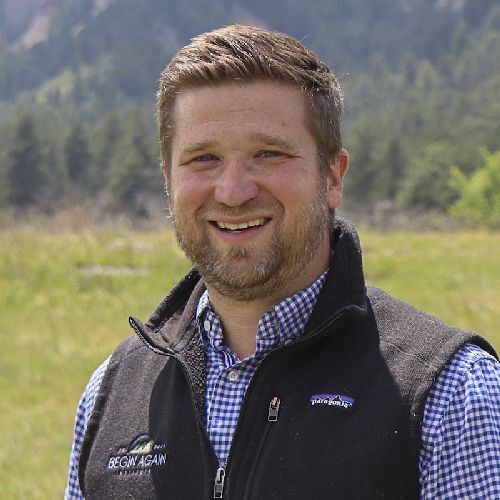
Edward Tilton is a proven behavioral healthcare leader with an established track record in the recovery industry space. As an accomplished healthcare leader, Ed has diverse management experience including clinical and business operations, expansion of program development, and clinical service offerings.