
You didn’t wake up one day and decide to blow your life apart. It happened gradually. You sought out sex to feel emotionally better, even just for a little bit. The next thing you knew, it was all you could think about. You’ve tried to stop these compulsive sexual behaviors that are now negatively impacting your life, but you can’t. You don’t know what to do or where to turn for help.
Here’s the truth. Most men with sex addictions never get the right kind of help. They see a general therapist who doesn’t specialize in sexual compulsivity. They try willpower, accountability apps, or just white-knuckling through it. Some go years cycling through the same behavior, shame, and broken promises to themselves and the people they love.
What actually works starts with a specific type of professional: a sex addiction therapist, or Certified Sex Addiction Therapist (CSAT), who is trained to treat exactly what you’re dealing with. These experts are the key to opening the opportunity for the healing you’re seeking.
What Is Sex Addiction?
Sex addiction, also known as compulsive sexual behavior or hypersexuality disorder, is an excessive preoccupation with sexual fantasies, urges, or behaviors that a person can’t control. It seeps into every part of their life and causes them severe emotional distress and comes at a great cost to their mental and physical health, job, and relationships.
Signs and symptoms of sex addiction include:
- Non-intimate sex with strangers or sex workers
- Compulsive masturbation or porn use that escalates over time
- Failure to keep promises to change sexual behavior, despite a genuine desire to stop
- Obsessive sexual behavior that negatively impacts other aspects of life
- Feeling depressed or shameful about behaviors and unable to control urges
- Avoiding activities or responsibilities that don’t include sexual outlets
- Engaging in risky sexual behaviors
- Low self-esteem
- Defensiveness
- An inability to maintain meaningful relationships or an aversion to intimacy
- Ignoring the consequences of behaviors
At its core, sex addiction is an intimacy disorder. A person with an intimacy disorder fears connection with other people. As a result, they avoid opportunities to experience and develop intimacy with another person. They may not even realize they are avoiding intimacy. Instead, they may think they’re protecting themselves from being vulnerable.
What a Sex Addiction Therapist Does
If you’ve ever opened up to a therapist about pornography use or compulsive sexual behavior and felt like they didn’t quite know what to do, you’re not alone. Most licensed therapists receive little to no training in sexual addiction. A sex addiction therapist, specifically one who holds a CSAT credential, is different.
A CSAT has specialized training in the assessment and treatment of compulsive sexual behavior, including the underlying trauma, attachment wounds, and neurological patterns that drive it. Earning that credential requires significant clinical hours, coursework, and supervised experience focused in the area of sex addiction.
What Treatment Actually Looks Like
Sex addiction therapy usually starts with an assessment to help the CSAT understand the full picture. They’ll want to know things like:
- The history and nature of the behaviors that are concerning you
- Any co-occurring issues like anxiety, depression, or substance use
- The impact of these behaviors on your relationships and daily life
The purpose of the assessment is for the therapist to gain a clear understanding of your situation so they can create a targeted, effective treatment plan for you.
Sex addiction therapy typically involves:
- Trauma Work. Compulsive sexual behavior is often rooted in early experiences, like childhood trauma, attachment disorders, or emotional trauma that you were never able to process. A CSAT helps you uncover the root cause of the behavior and heal from it.
- Shame Reduction. Shame is one of the primary drivers of the addiction cycle for men. The worse you feel about yourself, the more you reach for the behavior that temporarily numbs it, which creates more shame. A skilled sex addiction therapist knows how to interrupt this cycle without minimizing accountability.
- Structured Relapse Prevention. Recovery isn’t just about stopping a behavior. It’s about understanding your triggers, building new coping skills, and creating a sustainable plan for the long term. Your therapist will help you develop this structure rather than leaving you to figure it out on your own.
- Disclosure and Relationship Repair. If your behavior has affected a partner, the question of what to tell them and how is one of the most difficult parts of recovery. A CSAT guides this process carefully, often using a structured therapeutic disclosure model that protects you and your partner from unnecessary additional harm.
- Partner and Couples Support. Sex addiction doesn’t happen in a vacuum. Many CSATs work with partners either directly or in coordination with a partner specialist, recognizing that healing the relationship, if that’s the goal, requires support on both sides.
How To Know It’s Time to Seek Help
So, how do you know when it’s time to seek help? Simply, if your sexual behavior isn’t serving you and you’ve tried to stop but can’t, it may be time to seek help from a sex addiction therapist. The bigger question may be what type of help you need.
For some men, outpatient therapy with a specialist is enough to begin meaningful recovery. An intensive format makes more sense for those with:
- Long-standing patterns
- Significant relationship damage
- A history of failed attempts to stop
Intensive sex addiction treatment, like that offered at Begin Again Institute, exists specifically to offer concentrated support that can accomplish in 14 days what might otherwise take months.
Let BAI Guide Your Next Steps
Fortunately, you don’t have to decide alone about the type of help you need. You just have to be willing to have one conversation.
When you contact Begin Again Institute, you’ll speak with someone who understands what you’re dealing with and who can help you determine the next best step, whether that step is our team connecting you with a CSAT for individual therapy or joining one of our intensives led by our internal team of CSATs.
What you won’t get from us is judgment or pressure. Our goal is to help you understand the next right step for you. And everything you share with our team is confidential.
Ready to take the next step to start living your life authentically? Reach out. We’re ready to help.
Frequently Asked Questions
What is the difference between a sex addiction therapist and a regular therapist?
Most licensed therapists get little to no training in sexual addiction. A sex addiction therapist who holds a Certified Sex Addiction Therapist (CSAT) credential is different. A CSAT has specialized training in compulsive sexual behavior, including the trauma and attachment wounds that drive it. For men dealing with this, working with a CSAT gives you a much better chance at real recovery.
How do I know if I need intensive treatment or regular outpatient therapy?
Outpatient therapy with a CSAT is often a good place to start. Intensive treatment, like the 14-day program at Begin Again Institute, tends to work better for men who have tried to stop many times and failed, have had these patterns for years, or have caused serious damage to their relationships. Not sure which fits you? One conversation with a specialist can help you figure that out.
Can sex addiction be treated successfully?
Yes. Sex addiction is a treatable condition. Recovery usually involves working through the root causes of the behavior, reducing shame, building relapse prevention skills, and repairing relationships. Working with a CSAT gives men the best shot at lasting recovery.
Is sex addiction really an addiction, or just a bad habit?
It is more than a bad habit. Sex addiction means you cannot stop these behaviors even when you want to, and even when they are hurting your life and relationships. At its core, it is often an intimacy disorder tied to unresolved trauma. Willpower alone rarely works, which is why specialized treatment is so important.
What happens during sex addiction therapy at Begin Again Institute?
Treatment starts with a full assessment so our team of CSATs can understand your situation. From there, therapy includes trauma work, shame reduction, relapse prevention, and help with disclosure and relationship repair if needed. Everything you share is confidential. There is no judgment here.
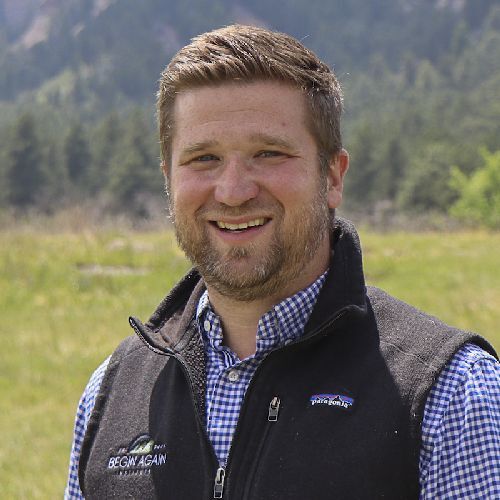
Edward Tilton is a proven behavioral healthcare leader with an established track record in the recovery industry space. As an accomplished healthcare leader, Ed has diverse management experience including clinical and business operations, expansion of program development, and clinical service offerings.