
When you think about things passed down in a family, you usually picture physical features. You think of the shape of a smile, eye color, or a laugh. But families also pass down invisible habits. These include unspoken rules about feelings, ways of dealing with stress, and unhealthy patterns.
For many men, dealing with addiction feels like following a plan someone else wrote. Whether the problem is alcohol, drugs, gambling, sex, or pornography, addiction often moves through family trees like an old family secret.
Noticing that you might be repeating a family pattern isn’t about blaming your parents. It’s about understanding where your pain comes from so you can stop the pattern of generational addiction.
What Is Generational Addiction?
Generational addiction happens when addictive behaviors, hard-to-manage feelings, and unhealthy coping tools pass from parents to children over time.
When a parent relies on substances, secrets, or unhealthy habits to feel better, the whole home changes. The addiction becomes the main focus of the family. Children in these homes pick up on the behavior and the mood, including the tension, sudden changes, and broken boundaries.
Over time, how a parent coped with pain becomes normal for the child. The child grows up with a body and mind used to those same relief methods. This makes them much more likely to repeat the exact habits they promised they would avoid.
How Addiction Patterns Get Passed Down
Generational addiction rarely happens for just one reason. Harmful behaviors and emotional pain move across generations through learned habits, broken relationships, and body chemistry.
1. Learned Behaviors
Children learn how to handle feelings by watching their parents. In a home touched by addiction, healthy ways of handling emotions are rarely shown.
Instead, children see adults turn to drinking, hiding, anger, or compulsive habits whenever stress or sadness comes up. The child learns a core lesson: You cannot fix pain by talking or connecting; you have to numb it from the outside.
2. Unresolved Family Trauma
Addiction makes family life unstable. When a parent is emotionally or physically missing due to addiction, the child feels unsafe and hurt.
Without a calm parent to help them feel safe, the child’s body stays on high alert. As adults, this constant stress makes them easily drawn to intense habits that temporarily quiet their inner anxiety.
3. Genetics and Body Chemistry
Genetics play a big role in addiction risk. Inherited brain chemistry can make certain high-reward behaviors feel much more powerful for some people than for others.
Also, severe stress can actually change how genes work. A parent’s trauma can affect their children’s bodies, leaving the next generation with higher stress levels before they ever try a substance or habit.
Signs You May Be Repeating a Pattern
Generational addiction doesn’t always look the same in every person. A man might promise never to drink like his father, but end up relying on pornography, work, or gambling to escape the same feelings of pain.
| Behavioral Category | How It Manifests in Daily Life | The Generational Blueprint |
|---|---|---|
| Cross-Addiction & Behavior Swapping | Avoiding a parent’s vice (like alcohol) but turning to a new one (like work, sex, or shopping). | The habit changes, but the goal—to numb bad feelings—is the same. |
| Compartmentalization & Secrecy | Living a “double life” where you look fine on the outside but hide habits on the inside. | Following the family rule of keeping up appearances to hide inner trouble. |
| Relational Intimacy Avoidance | Pushing loved ones away, avoiding vulnerability, or choosing intensity over real connection. | Copying a parent who could not build safe, close relationships. |
| Using Intensity as an Anesthetic | Turning to risky behaviors or habits whenever you feel anxious, sad, or rejected. | Using intense rushes to change how you feel, just like past generations did. |
| Measuring Against Extreme Baselines | Excusing your own bad habits by saying, “At least I’m not as bad as my dad was.” | Comparing yourself to extreme examples to justify habits that still harm your life. |
Why Knowing the Problem Isn’t Enough
Many men feel deep guilt because they see their bad habits clearly, but still can’t stop. They read self-help books, make strong promises, and love their families, yet repeat the same mistakes days later.
This happens because understanding lives in the logical brain, but addiction is rooted in automatic stress responses.
Old hurts and childhood neglect get stored deep in the body and nervous system. When stress or conflict triggers those old wounds, the body reacts as if it’s in danger. Under high stress, the brain skips logic and defaults to its oldest survival habit. Knowing why you struggle is a good start, but real healing requires active help to rewire how your body handles stress.
Breaking the Cycle of Intergenerational Addiction
Breaking the pattern takes real action. You have to change how you process pain and build healthy connections with others. Here are some steps to take.
1. Name the Pattern Directly
Identify the family narrative and map the behavior.
Look at how feelings were handled in your family. Trace your history. Where were the secrets? How was sadness or anger treated? See how your current habits match the coping styles of your parents or grandparents.
2. Pursue Trauma-Informed Treatment
Address the nervous system root, not just the symptom.
Trying to stop through willpower alone rarely lasts if you ignore deep pain. Lasting recovery uses specialized care to heal old childhood wounds.
3. Build New Relational Experiences
Shift from isolated self-reliance to authentic connection.
Addiction grows in secret. Breaking the cycle requires learning to be honest and open with safe people. This means practicing clear communication, accepting help, and leaning on others instead of turning to a habit.
Protecting the Next Generation
When you face your family history and choose recovery, the positive impact touches everyone around you. Stopping a generational pattern changes the whole mood of a home from:
- Secrecy to Openness. Children grow up where feelings are talked about, not hidden or numbed.
- Uncertainty to Safety. Parents stay present and steady, giving children a safe foundation.
- Numbing to Healthy Coping. Children see healthy ways to handle stress and learn that tough feelings can be managed safely.
By healing past pain, you stop passing it down. You ensure that what you pass on to your children is filled with support, honesty, and love.
How Begin Again Institute Helps Men Break the Cycle
For men dealing with compulsive sexual behaviors, basic rules often fail because they only address the habit, leaving the root cause untouched.
Begin Again Institute helps men break these old family cycles through intensive, trauma-focused care.
At the center of BAI’s approach is the Trauma-Induced Sexual Addiction (TINSA) model. This framework shows that compulsive habits are not personal flaws; they are automatic bodily reactions to past hurts and broken trust from early life.
Instead of just stopping the behavior, BAI helps men identify the root causes of their stress responses. This lets them heal the source of the problem rather than fighting the outcome every day.
Through our 14-Day Men’s Intensive, BAI uses proven methods to dismantle generational patterns by:
- Understanding Family History. Looking at family history to find passed-down rules, expectations, and coping styles.
- Brainspotting & Inner Healing. Reaching deeper brain areas to process stored stress and heal the hurting parts of self that drive urges.
- Internal Family Systems (IFS). Relieving protective mental habits that rely on compulsions to manage pain.
- True Intimate Connection. Connecting with the cohort helps men experience the power of intimacy and the opposite of addiction.
- Partner Support. Offering partner support programs to address broken trust and help the whole family heal together.
By caring for the whole person, Begin Again Institute gives men the tools needed to end the cycle for good. Ready to get started? Contact us today.
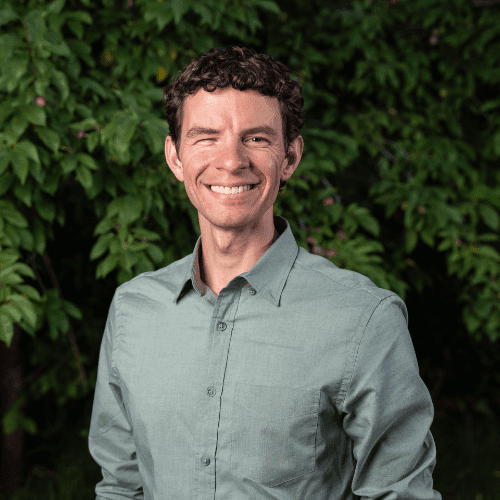
Tim Hanlon holds a master’s degree in Clinical Mental Health Counseling from Regis University in Denver and is a Licensed Professional Counselor and National Certified Counselor. Before joining the team at Begin Again Institute, Tim worked in his private practice and as a crisis clinician at the walk-in crisis center in Boulder, Colorado. Prior to his clinical work, Tim and his wife worked as humanitarians internationally for seven years. Following their transition back to the US, Tim joined the pastoral staff of a church in Longmont, Colorado. These experiences have allowed Tim the framework to integrate cultural humility, faith, and spirituality into his therapeutic repertoire.