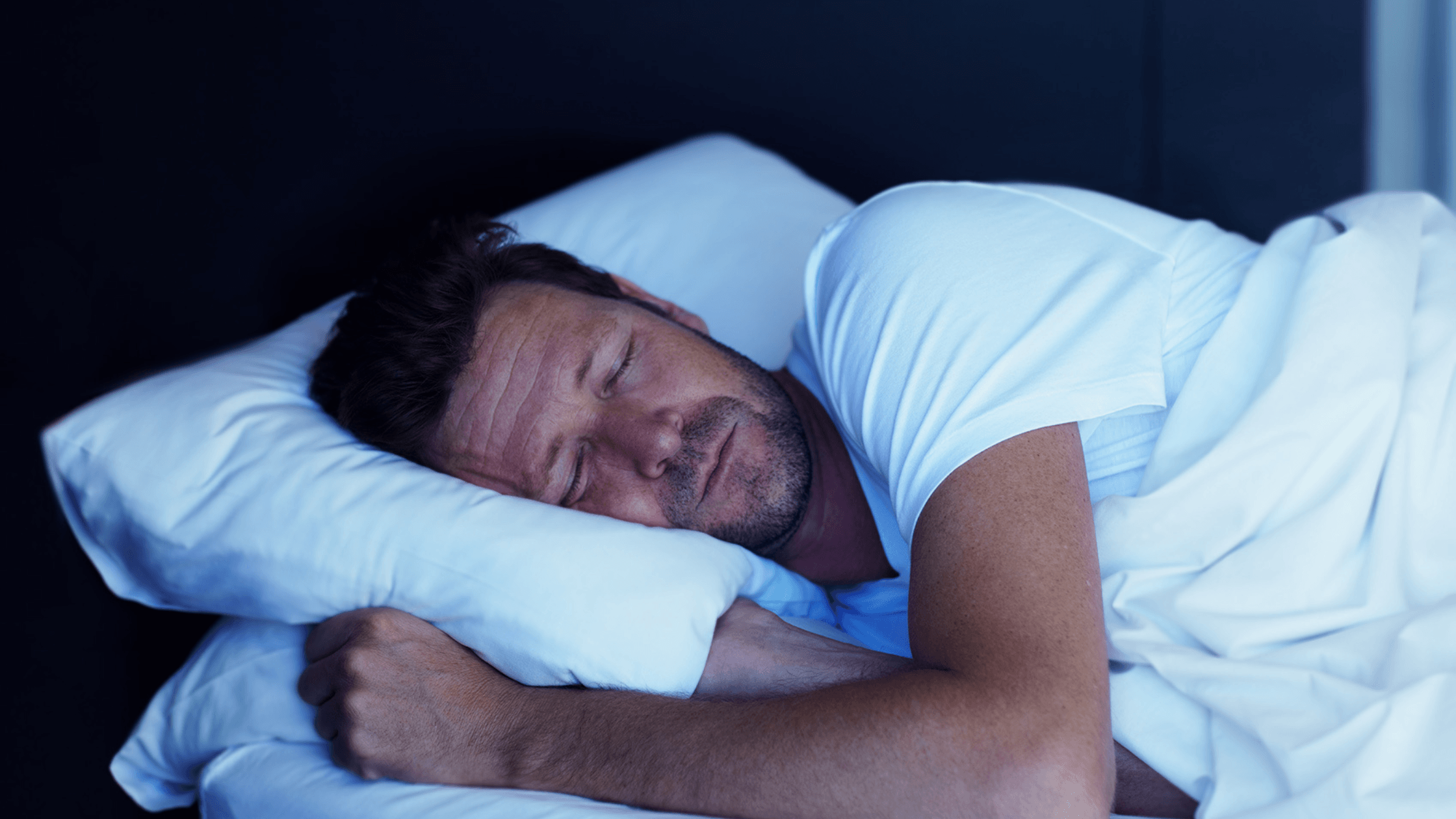
Sleep disruption is often one of the first and most persistent challenges after stopping compulsive sexual behavior.
Lack of sleep exacerbates withdrawal symptoms, making it more challenging to handle difficult feelings. It’s a two-way relationship. Addiction and sleep work in tandem: addiction disrupts sleep, while poor sleep increases the risk of relapse.
Sleep is a coping mechanism in sex addiction recovery. It not only allows your body and mind to rest, but it’s also a foundational tool for emotional regulation and relapse prevention.
Why Sleep Struggles Are So Common in Early Recovery
Withdrawal from porn or sex addiction disrupts your entire system. You have to retrain your brain’s reward system, reprogram your habits, and find healthy alternatives for coping with adverse emotions. It’s not as simple as just quitting. You’ll experience a range of physical and mental withdrawals that make it difficult to cope.
Sleeping difficulties are one of the most common withdrawal symptoms in sexual addiction recovery. You may find it difficult to fall or stay asleep, so when you’re awake, you feel fatigued, irritable, and struggle to make decisions.
Other effects of sleep deprivation include:
- Decreased cognitive function and judgment
- Headaches or bodyaches
- Inability to focus
- Extreme tiredness
- Anxiety and depression
- Lowered self-esteem
- Decreased impulse control
- Challenges with emotional regulation
How Long Do Sleep Disruptions Last?
Sleep disturbances often peak within the first week of withdrawal and can persist for six months or longer for some men. It’s common, temporary, and it doesn’t mean anything is wrong. It’s a sign that your body and mind are going through big changes, and there are tools to work through it.
Each person’s recovery timeline is different. Your body is experiencing a full reset. It takes time to recalibrate. Tracking your sleeping habits through journaling helps chart your progress and acknowledge your improvements.
How Poor Sleep Increases Relapse Risk
Sleep deprivation dysregulates the brain’s reward system. When you stop watching porn or engaging in compulsive sexual behavior, your brain needs to relearn how to respond to healthy activities instead of relying on sex or porn for dopamine hits. This relearning process takes time, and it needs rest to do it.
When your brain doesn’t get that rest, you become more vulnerable to cravings. Poor sleep impairs impulse control, emotional regulation, and judgment, which are all the tools you need to resist compulsive urges.
Research shows people recovering from addiction are significantly more likely to relapse without adequate sleep. Sleepless nights can intensify feelings of helplessness or shame, deepening the cycle that drives relapse in sex and pornography addiction.
The Two-Way Relationship Between Sleep and Sex or Pornography Addiction
Compulsive sexual behaviors are often a late-night activity, due to the desire for privacy, isolation, or shame around their actions. That’s why the night is a high-risk window for acting out, especially when sleeplessness and loneliness overlap. Also, devices used for pornography or compulsive sexual behavior are frequently the same devices used at bedtime, creating a habitual trigger.
Many people struggle to sleep due to anxiety. You may worry about your addiction’s effect on your relationships, the consequences of disclosure, or struggle with your own self-worth. Sleep disruption fuels those same anxieties, creating an unhelpful cycle.
Sleep as a Coping Mechanism: Reframing Rest as a Recovery Tool
When you stop an addictive behavior, you can no longer use it as a coping mechanism. You likely used sex or porn to numb your emotions and avoid difficult feelings, and now you’re faced with those emotions.
Sleep is when your body repairs itself. It allows your brain to process emotions and regulate the hormones tied to stress and mood, restoring the emotional bandwidth needed to sit with difficult feelings rather than escape them.
Ways sleep helps in addiction recovery:
- Regulates the nervous system
- Drops cortisol levels, decreasing stress
- Removes “brain waste” for clearer functioning
- Transforms new memories into stable, long-term ones
- Processes and integrates emotional experiences
- Helps the brain reorganize itself to form new neural connections
Nervous system regulation is essential for resisting urges during high-stress moments, which is why this nightly reset is so crucial. Consistent, quality sleep is an active coping strategy, not just a passive afterthought.
Building Healthy Sleep Habits in Recovery
Because sex or porn addiction has a profound impact on your life, it requires a foundation built on healthy habits, behaviors, and practices to recover, including sleep, nutrition, and exercise. It takes time to relearn behaviors and undo patterns, but you can build healthy habits.
Establish Consistent Sleep and Wake Times
Going to bed and waking at the same time daily, even on difficult days, helps stabilize the body’s internal clock. Create a consistent schedule, including weekends, to add structure to your routine.
Manage Screens and Devices at Night
Phones and laptops are often a trigger for compulsive behavior. Create physical distance from them at bedtime.
Tips for being intentional with devices before bed include:
- Turn off devices one hour before bed
- Set screen timers to close apps at a certain time
- Communicate to friends and family that you won’t be checking your phone to remove expectations
- Charge your phone outside the bedroom
Creating a Calming Bedtime Environment
Developing a relaxing bedtime routine signals safety to your nervous system and helps you wind down.
Tips for building a relaxing nighttime space include:
- Dimming lights
- Reducing noise
- Lighting candles
- Closing blackout curtains
- Wearing an eye mask
- Turning on a sleep podcast, calming music, or white noise
- Taking a warm bath
Addressing Racing Thoughts and Anxiety Before Bed
Simple grounding practices can quiet an active mind before sleep.
Examples of bedtime mindfulness practices include:
- Journaling your thoughts and feelings
- Practicing breathing exercises
- Stretching or doing yoga
- Conducting a body scan to identify the physical sensations of your anxiety
- Noticing your thoughts and feelings without judgment
- Practicing progressive muscle relaxation
If difficulty sleeping is a severe concern, speak with your doctor or consult professional help. While many symptoms can be managed through intentional habit changes, some people may require further treatment.
How BAI Supports Sleep and Whole-Person Recovery
Begin Again Institute is a leading treatment center for men experiencing sex and porn addiction. We approach addiction with a trauma-informed lens and a team of Certified Sex Addiction Therapists to address the underlying anxiety, trauma, and dysregulation that disrupts your sleep.
BAI offers a structured, community-based environment that supports the consistent routines, including sleep, that make lasting recovery possible. We offer a variety of judgment-free treatment programs to help you take back your life and experience relief. If you want to finally get the good night’s rest you deserve, give us a call today.
Frequently Asked Questions
1. How long do sleep problems last in early sex addiction recovery?
They often peak in the first week of withdrawal and can continue for several months, though they typically improve as the nervous system stabilizes.
2. Can poor sleep really trigger a relapse?
Yes. Sleep deprivation impairs the same impulse control and emotional regulation needed to resist compulsive urges.
3. What should I do if I can’t sleep without old habits like pornography?
Build a new wind-down routine that doesn’t involve a screen, and talk to a therapist if the pattern persists beyond the early weeks of recovery.

Edward Tilton is a proven behavioral healthcare leader with an established track record in the recovery industry space. As an accomplished healthcare leader, Ed has diverse management experience including clinical and business operations, expansion of program development, and clinical service offerings.